Stay in the loop
Subscribe to receive the latest email news and updates from Shippit
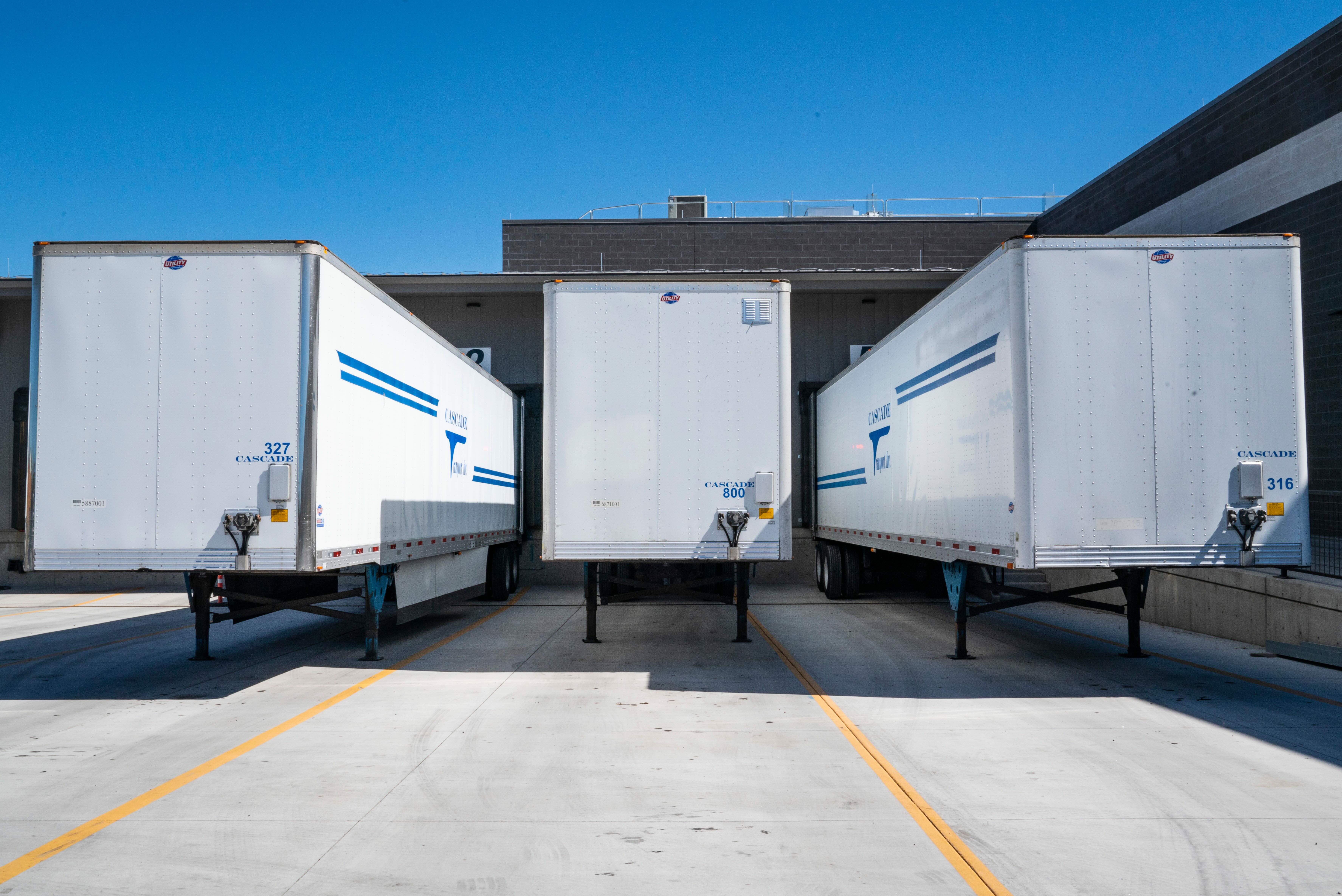
Australia has almost five million registered trucks and vans, according to federal government estimates. On any given day, a significant chunk of that fleet could be sitting idle or driving back to a depot empty. Picture crane trucks waiting to unload at a construction site, or that empty van passing a collection point it could have serviced on the return trip.
Idle vehicles and empty return legs are often overlooked, but they accumulate quickly - and often it’s your CFO that notices the problem first. A fleet optimisation platform like NowGo by Shippit can identify and reduce idle time and wasted kilometres.
Why idle time and empty runs go unnoticed
Every fleet budgets for fuel, labour, and vehicle maintenance. However, it’s harder to account for the cost of a delivery vehicle sitting at a loading dock too long or driving home empty. They get written off as an occupational hazard, then absorbed into a fuel bill or overtime line.
It goes unnoticed because the costs are spread across hundreds of small inefficiencies. But ten minutes at a dock here and 12 empty km on the way back to the depot there, adds up. It’s how a driver can finish an eight-hour shift having spent only five hours actually driving to jobs. It’s a classic case of death by a thousand tiny cuts.
Each may seem insignificant, but across a fleet and over a year, the costs add up - and contribute to bigger challenges. Almost three in four carriers (71%) say fuel price volatility is their biggest operational challenge this year, according to the 2026 State of Shipping Report. Empty return legs compound that. Meanwhile 86% of fleets have had to extend hours and 57% have had to bring on temporary workers to handle peak periods.
Both carry costs, and neither are helped by any unnecessary minute a driver spends sitting idle at a drop.
Where does the leakage occur?
- Idle dock waiting: A driver arrives on time, but the warehouse manager isn’t there to unload. They miss their window, and have to wait 30 minutes for another slot. An easy five-minute drop ends up taking closer to 40 minutes. The truck arrived on time, but because the driver couldn’t locate the scrap of paper with the on-site contact number, they’re now playing catch-up for the rest of the day. “Idling, failed deliveries, and reattempts tend to happen more when the end recipient isn’t aware that the driver is coming,” says Helen Studley, Senior Product Manager at NowGo. “Even better customer comms, like having dynamic ETAs, can help improve your delivery rate and reduce that fuel usage.”
- Empty return legs: An empty return leg means paying for fuel and labour - and potentially other costs like tolls - without generating revenue from a backhaul. A driver spends six hours making 15 drops, then drives two hours back from the furthest job with nothing but tumbleweed on board.
- Under-utilised vehicles: Sending three half-full vehicles when two could carry the same freight can mean paying for an extra driver, more fuel and additional vehicle time. “Why send out a truck half empty and then have it fully empty coming back?,” Helen adds. “Backhauls, so returning back to the depot empty, is something that a lot of companies have identified as something that they want to start addressing.”
- Rigid zone-based runs: Many fleets still assign a driver a fixed, ‘zone-based’ patch. Zones create their own empty legs, though. If two deliveries sit 100m apart, but either side of a boundary, each is handled by a different driver, when one run could cover both. “That second driver going to the same location your other driver's going to, may have had to travel 15-20 kilometres to get there for an $8 drop," says Adam Amato, a fleet optimisation specialist at NowGo.
How a fleet optimisation platform fixes it
NowGo, our fleet optimisation platform, addresses both idle time and empty return leg concurrently. By enabling dynamic optimisation, providing real-time visibility, and planning for the return leg, NowGo’s route optimisation software helps dispatchers adjust routes as conditions change and plan collections alongside deliveries. That can mean fewer delays at loading docks and more productive return journeys.
NowGo lets drivers save the exact unloading point at a location, not just the street address. A sprawling hospital, school, or construction site might only have one address, but multiple gates, delivery docks, or loading zones. Only one is the ‘right one’, but NowGo helps drivers find it, and save it for next time - along with information such as access codes and contact information.
And if you’re delivering construction materials to new builds, you know you’re often delivering to sites that don’t have an actual address yet. By drawing on official government address data, NowGo will enable fleets to deliver to sites that don’t exist on standard mapping. That means less time searching for an exact location, and more throughput.
Then there’s the return leg. NowGo plans routes across the fleet, accounting for deliveries and potential collections on the return journey. So a pickup and a drop-off can happen on the same run, instead of one vehicle making drops and another making collections.
As a result, fleets are improving their efficiency by up to 12% and utilisation by up to 15%, while cutting fuel, downtime, and the distance vehicles spend on the road. Across NowGo’s network, fleets including Reece, Mitre 10, Healius Pathology, and News Corp have collectively saved more than 200 million kilometres on ANZ roads.
Three moves for the months ahead
Here are a few ways to start addressing idle time and empty return legs, before your CFO notices:
- Audit your fleet: Before changing anything, determine how much of a typical shift is spent waiting at docks, or with vehicles empty or underutilised. Compare that to the time spent genuinely completing jobs.
- Merge two or three zones, then run them dynamically: Zone-based allocation contributes to a lot of wasted time. Pick a couple of small, overlapping patches to trial dynamic optimisation. After a few weeks (long enough for representative patterns to emerge) track throughput, cost-per-delivery, and empty kilometres, and compare the numbers to when you ran zones.
- Give your dispatchers real-time visibility: A static schedule built in a spreadsheet the night before can’t see the truck idling at a dock. And it definitely can’t see that same vehicle idling at 30% of its drops that day. With route optimisation software that enables a dispatcher to optimise allocations, schedules, and routes, vehicles spend less time idle and returning empty loads, and more time improving throughput and cost per delivery.
Idle trucks and empty return legs don't show up on your P&L by name. But the fuel and wages they waste, and the deliveries they prevent you from completing, do. Book a demo to see how our fleet optimisation platform, NowGo, helps you cut them from your fleet.


