Stay in the loop
Subscribe to receive the latest email news and updates from Shippit
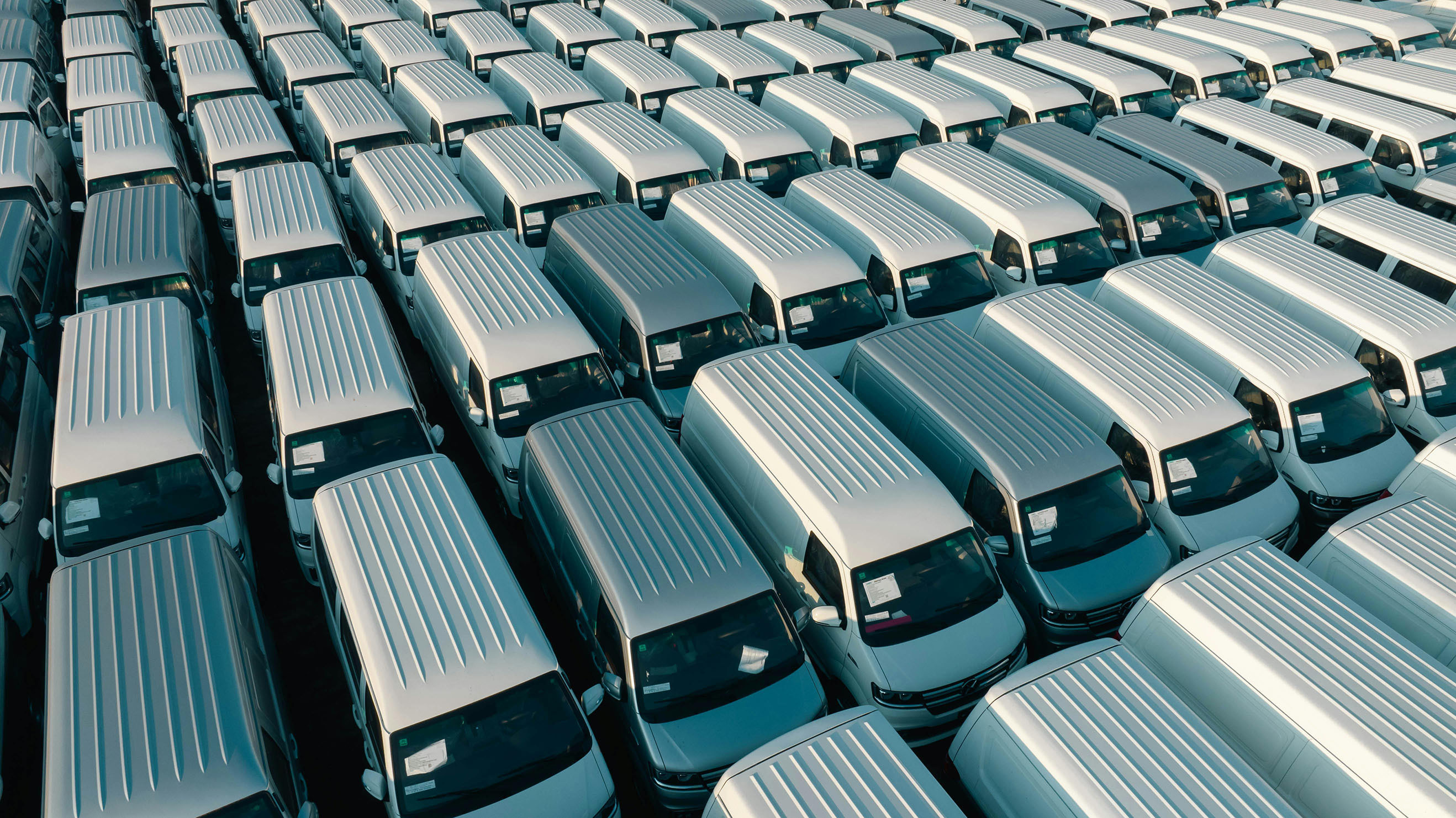
Australian fleet operators are facing a perfect storm. Costs are rising, drivers are scarce, fuel costs are surging, regulation is tightening, your customers are demanding faster and cheaper delivery, and the Board is watching.
To survive, 86% of fleets have extended operating hours and 57% have hired temporary workers, according to NowGo by Shippit research. Both might ease the pressure in the short term, but costs mount and neither solves the underlying problems.
The extent to which dispatchers and decision-makers can navigate those challenges is reliant on how they optimise their fleet. The most effective way is a fleet optimisation platform that enables dynamic optimisation.
What is dynamic optimisation?
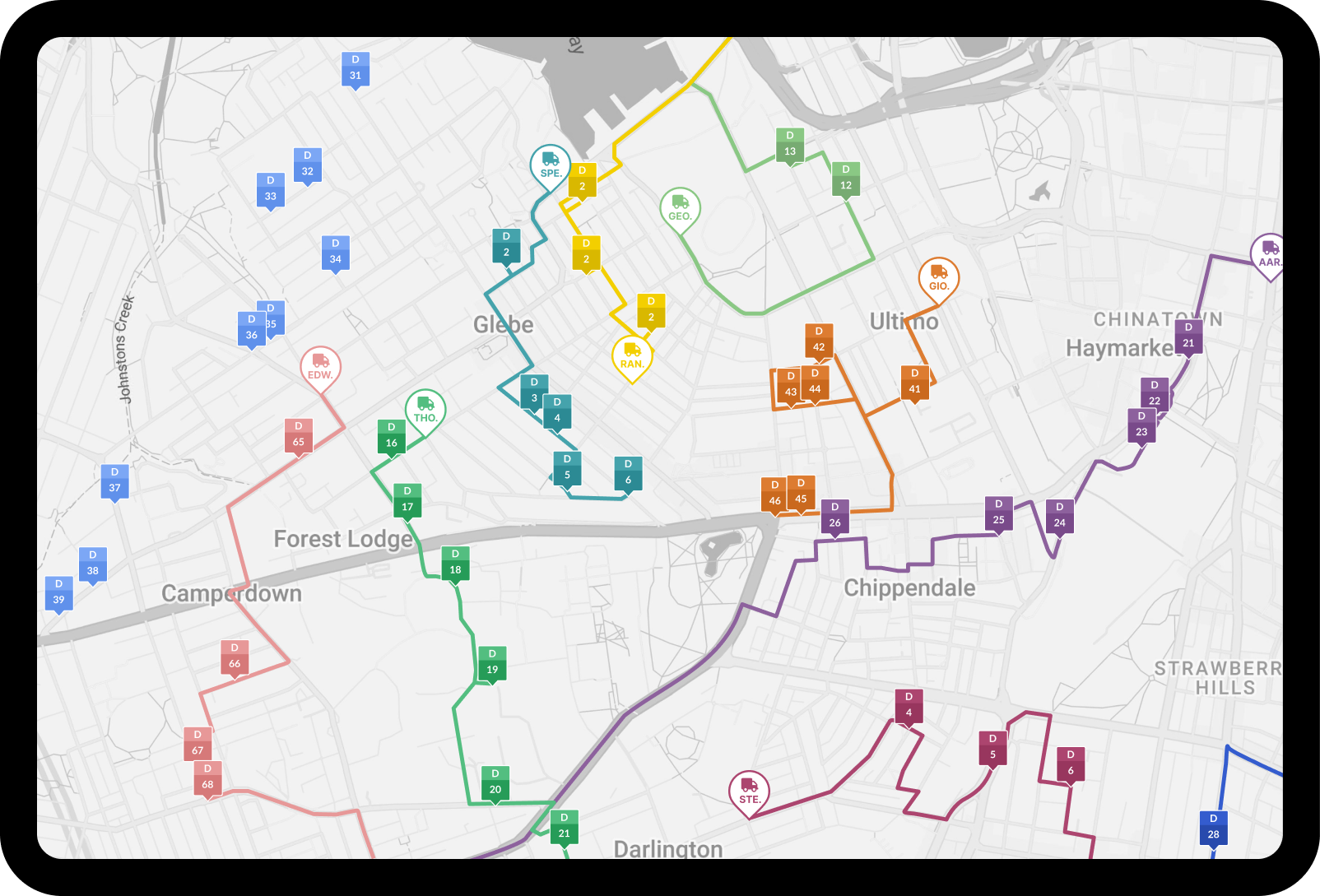
Dynamic optimisation allocates jobs based on real-time efficiency and constraints. Instead of assigning a driver to a fixed patch (Driver X covers Bondi and Driver Y handles Bellevue Hill) it decides which driver, vehicle, and route is the most efficient and appropriate for every job.
For example, it considers vehicle capacity, driver hours, freight type, special handling requirements, delivery windows, and weighs those factors up against every other delivery that day. When the day changes, which often happens, so too does the plan, without disrupting live routes.
A fleet optimisation platform like NowGo does what dispatchers used to do in spreadsheets, whiteboards, or a legacy platform, in seconds. “Now we’ve got technology to do all of that thinking instantaneously. So we could essentially have one dispatcher managing a whole state,” says Adam Amato, a fleet optimisation specialist at NowGo.
Where zone-based allocation falls short
Zone-based allocation is still the default for many fleet operators. With zone-based allocation, a driver is assigned a specific geography, and works it day after day. It made sense when the model was first implemented. Then technology evolved, and its limitations were brought into stark contrast.
“We’re no longer operating with street directories anymore,” Adam says. Here’s how zone-based allocation falls short for modern fleets facing real (and growing) challenges:
- Unbalanced work: One driver might have 14 deliveries, and another has eight. “You’re not balancing the work based on the fleet you have available. You can get into a lot of trouble by paying overtime or calling on external contractors to fill that day at a higher rate,” Adam adds.
- Gap-filling: Unbalanced zones lead to overtime and external contractors, as does a driver being off work. One business Adam spoke to was spending $80,000 a month on taxis, Ubers, and external carriers, just to handle the volume that fell between the zone-based cracks.
- Exposure to labour shortages: Zones assume you can staff every one, but with a 12% driver shortage, growing driver attrition, and tens of thousands of drivers set to retire by 2030, that assumption can create large service gaps and an entire area without a dedicated driver.
Zone-based allocation can work for smaller fleets, with relatively uniform, non-time-sensitive and non-regulated freight But as businesses scale, or their fleet needs become more nuanced and complex, the gulf grows.
“I was recently at an event where one of the largest delivery companies in North America spoke about this,” Adam says. “They process a million parcels a day. They learned early on that dynamic optimisation was far more efficient than zone-based.”
Four benefits of dynamic optimisation
Dynamic optimisation addresses the shortcomings of zone-based allocation. Here’s how a fleet optimisation platform makes it happen.
- Higher throughput: Because dynamic optimisation assigns every job to the right vehicle and then suggests the most efficient route for the entire sequence, a fleet can handle more drops without increasing headcount. Adam says: “The question changes from ‘how many drivers do we need?’ to ‘how many extra deliveries can we do a day with the existing fleet we have?’”.
- Lower cost per delivery: If two zones meet at a main road, zone-based allocation would send two drivers to handle both deliveries, even if they could be completed from the same parking spot. Dynamic optimisation recognises this, and adds both jobs to one run. “Customers are thinking more about the efficiency of the cost per delivery,” Adam continues.
- Improved delivery times: Many fleets are delivering to customers with strict DIFOT SLAs. Fall short of that, and it’s not just an unhappy customer on the phone; it’s a stalled construction site, a gap on a supermarket shelf, and a contract in jeopardy. Rather than sequencing runs based on the next closest location, dynamic optimisation accounts for variables like tolls, side of the street, and even tunnels that larger vehicles couldn’t fit through. So drivers hit more delivery windows and dispatchers can track them every step of the way.
- Less wasted fuel: Dynamic optimisation cuts fuel by assigning the right jobs to the right vehicle, optimising their sequencing, and reducing empty return legs. Imagine those two deliveries either side of a main road being handled by separate drivers, Adam says. “That second driver going to the same location your other driver's going to may have had to travel 15, 20 kilometres to get there for an $8 parcel.”
Five steps to move from zone-based to dynamic optimisation
The key to making a successful transition is a staged approach. Don’t rip an embedded process out and replace it overnight. Experienced drivers and dispatchers won’t support a change that lands overnight, especially if they’re not involved in the process, and haven’t been given evidence that it works.
Here are five steps:
- Merge a few easy zones first: Look for two or three adjacent zones with enough overlap to combine, without disrupting every driver and dispatcher on day one.
- Run a hybrid model to begin: Maintain a loose zone structure while using dynamic optimisation to handle a series of runs across a smaller group of experienced drivers.
- Track the early numbers: Keep a close eye on cost per delivery, throughput, driver satisfaction, overtime hours in the first few weeks to measure the impact.
- Bring dispatchers and drivers on the journey: In a traditional industry, change management is hard; the change needs to be felt by the people doing the work. Show dispatchers how it removes manual processes and alleviates disruption, and drivers how it improves their experience and streamlines their day.
- Scale it fleet-wide: When the proof of concept works, and your dispatchers and drivers are on board, extend dynamic optimisation across your entire fleet.
How Reece improved delivery performance with NowGo
Dynamic optimisation is how many of Australia’s largest, most complex fleets are improving their margins, throughput, and customer satisfaction.
Take Reece, for example. Its branches manually allocated deliveries based on local driver and dispatcher knowledge. While effective on a smaller scale, the model couldn’t scale, lacked data-driven decision-making, and would struggle to meet the evolving needs of customers and the business.
It onboarded NowGo, which now protects its two-hour delivery promise across a sprawling network of 650 branches nationwide, improving its DIFOT rate by 2% in the process.
“NowGo supports Reece in delivering a high volume of orders to customers across the country,” says Sam White, Strategy and Network Leader, Supply Chain, at Reece. “Our service promise, two-hour delivery, has been the ‘secret sauce’ of Reece for decades. We now have greater clarity on our ability to commit to that through NowGo at 650 locations, plus six warehouses. We use NowGo to execute that and manage the customer experience.”
Ready to weather the storm?
The perfect storm facing fleet operators isn’t going away. Navigating it depends on how you manage your fleet. See how NowGo, a fleet optimisation platform built for dynamic optimisation, can improve your fleet’s efficiency. Book a demo.