Stay in the loop
Subscribe to receive the latest email news and updates from Shippit
Fast, reliable delivery is no longer just a consumer expectation. The same pressures shaping B2C logistics now define the world of B2B delivery. For businesses moving product to other businesses in a variety of industries - from construction, to hospitality and pathology - delivery performance has never mattered more.
Take trade suppliers serving construction sites, for example.
With construction insolvencies surging across Australia1, the pressure on suppliers to keep projects moving - and prevent costly delays - continues to intensify. Every delayed order, missed delivery window, or visibility gap has real operational and commercial consequences. Construction work is sequence-dependent, penalties are real, and suppliers often bear the reputational fallout when deliveries fail. One missed delivery can have a damaging butterfly effect. But fast, smart delivery isn’t just a safeguard, it’s a growth enabler.
To prevent failures and seize growth opportunities, trade suppliers need technology that moves beyond static planning and manual dispatch. Instead, they need a platform that delivers outcomes like:
- Fewer delivery failures when plans inevitably change;
- Higher fleet productivity without adding vehicles or headcount;
- Predictable, transparent deliveries that keep sites moving;
- Data-driven insights that protect margins and improve accountability.
What is delivery management software?
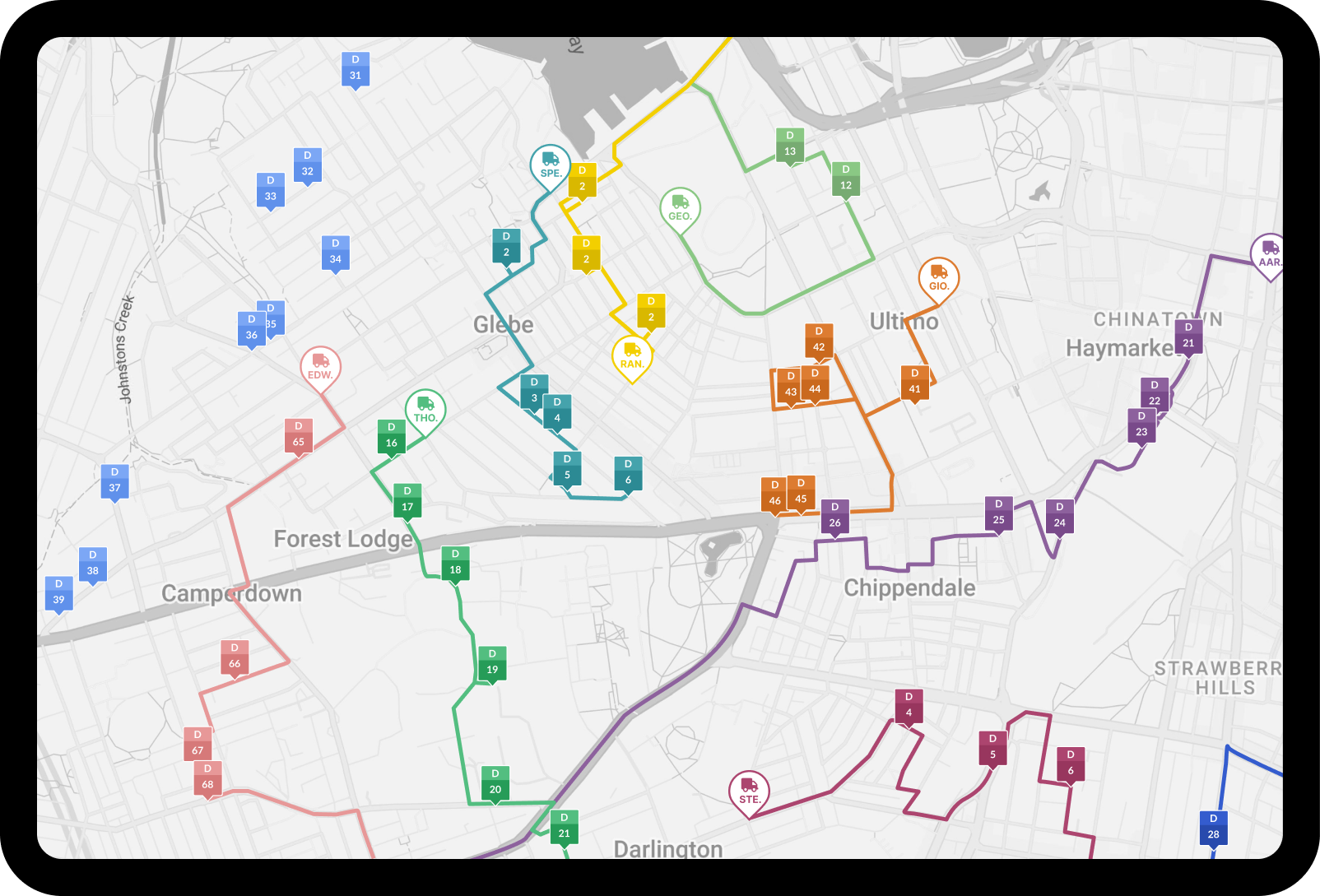
Delivery management software, like NowGo by Shippit, is the digital backbone that coordinates every element of a supplier’s delivery operation; from the creation of an order to the moment materials arrive on site. Delivery management software replaces manual processes and disconnected systems with a single platform that uses AI to plan routes, allocate jobs, track vehicle movements, communicate ETAs, update customers in real-time and capture proof of delivery - amongst other features.
Why is delivery management software important?
For trade suppliers, it sits at the intersection of logistics, customer experience and operational efficiency. It gives dispatch teams complete visibility of their fleet - whether owned or hybrid - helps drivers execute each run safely and consistently, and equips site managers with accurate information about when materials will arrive. In an industry where timing is everything, delivery management software ensures the right product gets to the right site at the right moment, every time.
Reason 1: Fewer delivery failures when plans inevitably change
Construction supply chains rarely run exactly to plan. Sites change schedule, access windows tighten, weather creates delays, orders are amended late, and drivers call in sick. In this environment, static route plans and manual dispatch simply don’t hold up.
Delivery management software gives trade suppliers the ability to re-optimise in real time, not just at the start of the day. When a job is delayed, cancelled, or reprioritised, routes can be recalculated instantly, workloads rebalanced, and ETAs updated automatically. Instead of scrambling on the phone or pushing problems to tomorrow, dispatch teams can stabilise and optimise the day as it unfolds.
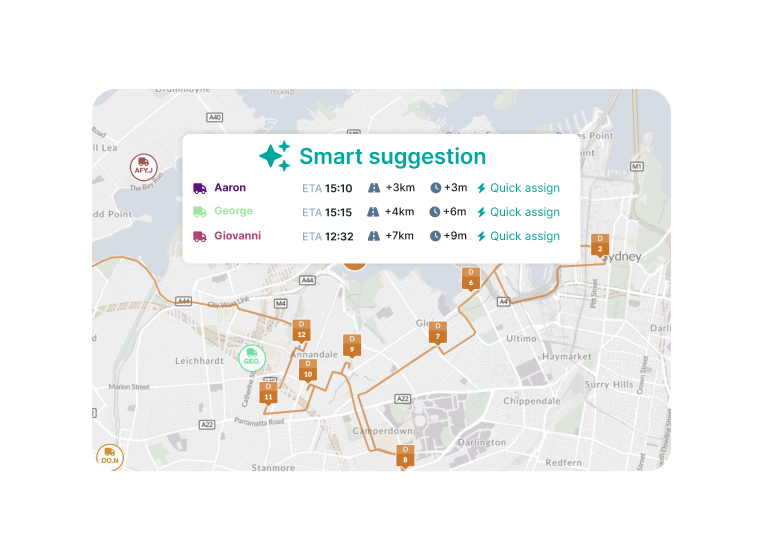
For trade suppliers, this resilience matters. It reduces missed windows, avoids half-loaded trucks returning to depot, and prevents minor disruptions from cascading into multi-day delays. The result is a delivery operation that bends without breaking - protecting both revenue and reputation when conditions on site change.
Reason 2: Higher fleet productivity without adding vehicles or headcount
Margins in trade supply are under constant pressure. Fuel, labour, vehicles, and compliance costs keep rising, while customers - under more pressure than ever to build - expect faster, more precise delivery. Meanwhile in December, the government’s mid-year budget provided a harsh reminder about the threat of further rises in inflation in 2026. Growth can no longer rely on simply adding more trucks or drivers, but about better utilising them.
Delivery management software helps suppliers do more with what they already have. Suppliers can optimising fleets and routes across multiple factors, such as:
- Vehicle type
- Load capacity
- Delivery windows
- Site requirements/restrictions
- Crew skills
Doing so increases drops per run, reduces empty KMs, and shortens dwell times at site.
Over time, the gains compound. Better utilisation means fewer vehicles required to service the same volume, lower cost per delivery, and the ability to absorb demand spikes without operational stress. For suppliers, this efficiency is often the difference between scaling profitably and standing still.
Improved productivity doesn’t just help suppliers manage their bottom line, it allows them to grow by taking on more volume, winning larger contracts, or expanding service areas, without increasing overheads at the same rate.
Reason 3: Predictable, transparent deliveries that keep sites moving
On a construction site, uncertainty is expensive. When materials arrive late crews stand idle, schedules slip, and trust erodes quickly. Suppliers are often blamed, even if delays originate elsewhere. Even deliveries that arrive early, without warning, can create congestion, disrupt sequencing, increase double-handling, or become health and safety risks.
Delivery management software closes this visibility gap. It provides accurate ETAs, live tracking, and proactive notifications to site managers and customers, so they know exactly when materials will arrive and can plan labour accordingly. If something changes, updates are shared automatically, not discovered after the fact.
This transparency reduces inbound calls and disputes, and strengthens relationships between suppliers and their customers. More importantly, it positions the supplier as a reliable partner in keeping projects on track, rather than a risk factor to be managed.
Reason 4: Data-driven insight that protects margins and improves accountability
Many trade suppliers still rely on fragmented data in legacy softwares:
- Spreadsheets
- Driver notes
- Siloed systems
- Emails
- Anecdotal feedback
When something goes wrong, it’s hard to pinpoint why, and even harder to prevent it from happening again.
Delivery management software creates a single source of truth across the delivery journey. Every route, delay, exception, and proof of delivery is captured and timestamped. Over time, this data reveals where costs are creeping in, which customers or sites create friction, and where processes break down.
With clear reporting and audit trails, trade suppliers can make informed decisions: adjusting delivery pricing, refining service zones, improving driver performance, or renegotiating customer expectations. In a volatile construction market, this visibility is a safeguard for margin and cash flow.
Next steps for trade suppliers: Evaluating your delivery management processes
In today’s construction supply market, delivery performance is no longer just an operational concern, it’s a competitive advantage. The suppliers that outperform are those who plan intelligently and give customers confidence that materials will arrive when expected.
For trade suppliers assessing their next move, that starting point must be a review of their current delivery operations. Practical questions should include:
- Where do delivery failures or delays occur most often? And how quickly can we respond when plans change?
- How much fleet capacity is lost to empty kilometers, underutilised vehicles, or inefficient routing?
- How visible are deliveries to customers and site times? And how much time is spent handling WISMOs?
- Do we have reliable, real-time data that shines a light on delivery performance and margins?
For those who struggle to answer these questions - or don’t like their answers - it’s a sign that manual processes or legacy systems are limiting performance. Delivery management software replaces reactive, fragmented workflows with real-time control and insights; giving suppliers the ability to control the day as it unfolds, unlock more productivity from their fleet, and deliver the transparency that sites depend on.
As the construction sector continues to navigate volatility, trade suppliers must move beyond traditional planning and invest in capabilities that protect margins today and enable scalable growth tomorrow.
Ready to turn delivery performance into a competitive advantage? Discover how intelligent delivery management can reduce failures, lift productivity, and keep your customers’ sites moving - no matter what situations arise.
1 Insolvencies surge in construction and hospitality https://www.afr.com/property/commercial/insolvencies-surge-in-construction-and-hospitality-sectors-20250714-p5mend